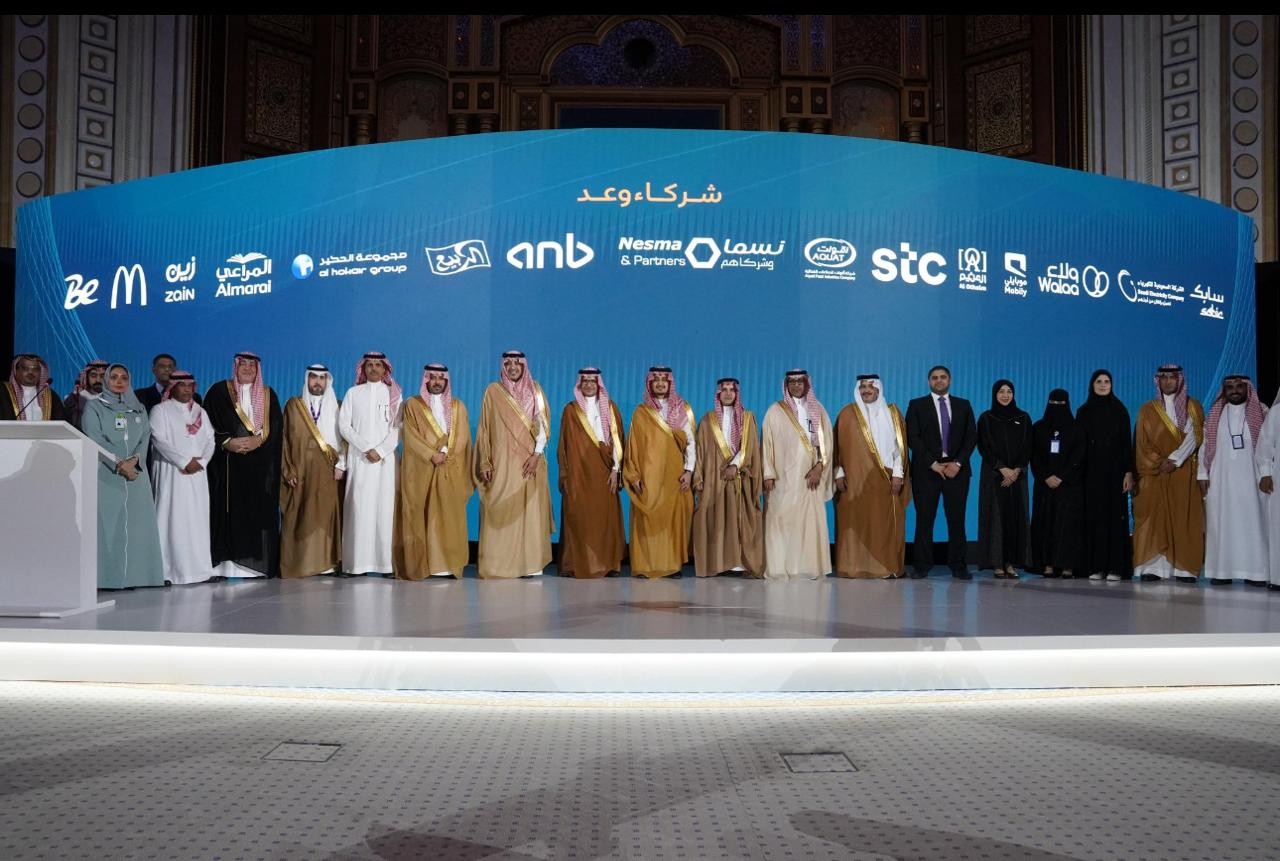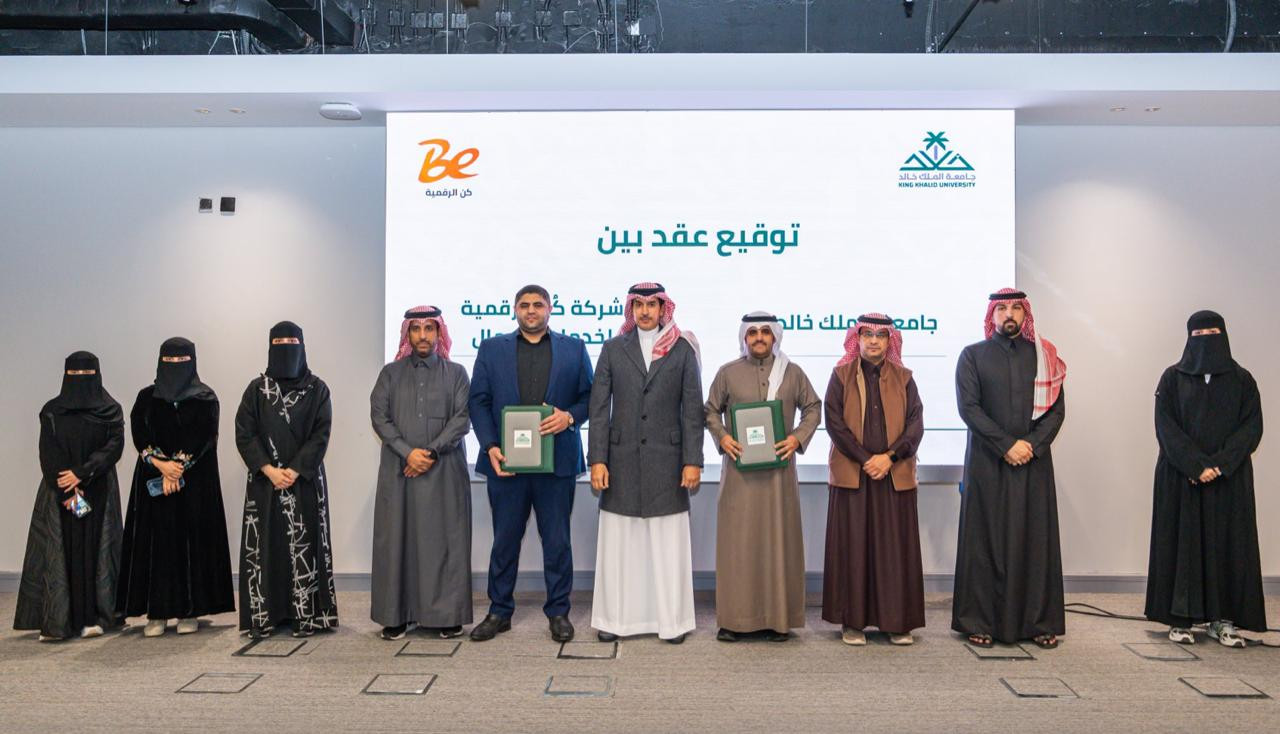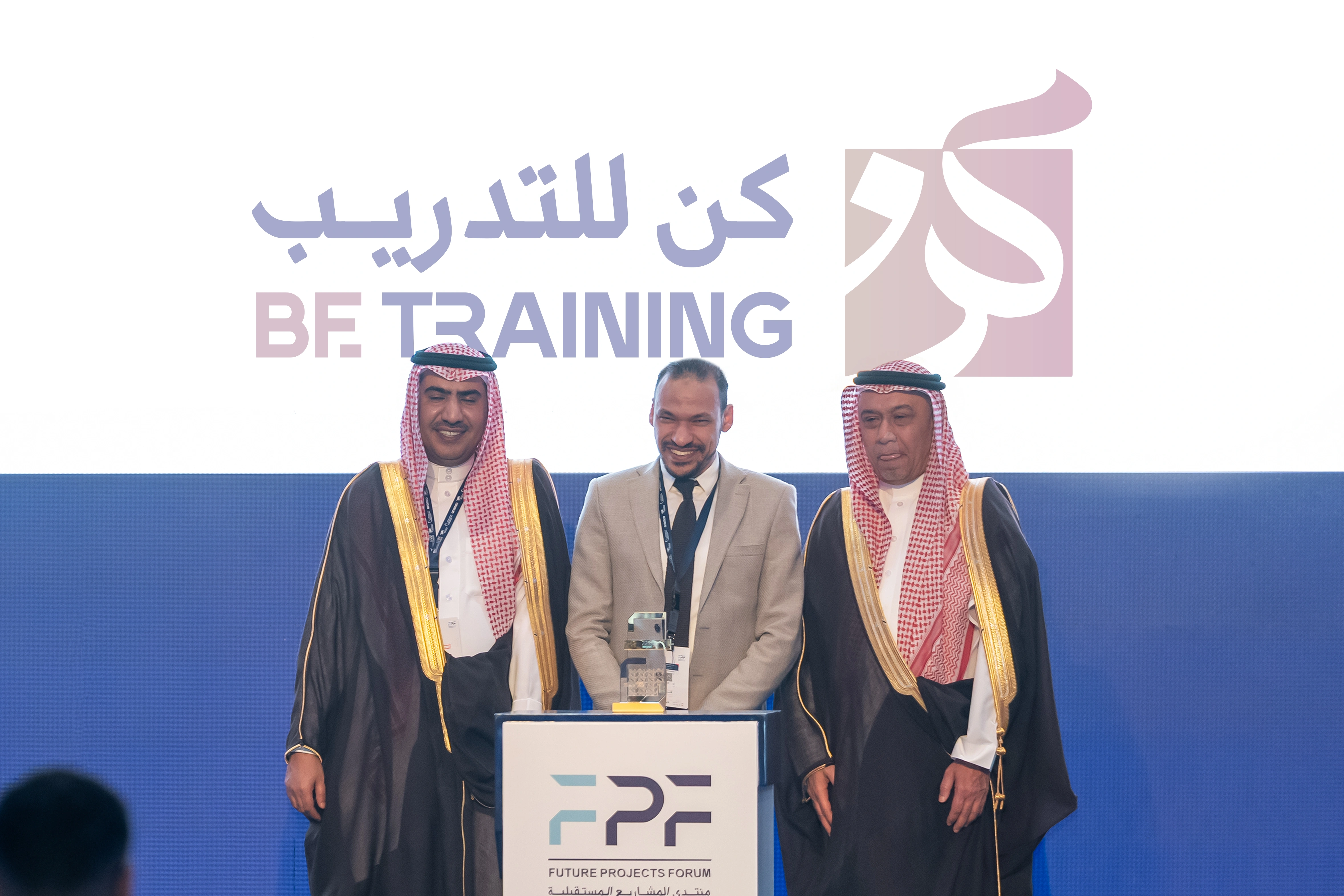
Within the framework of enhancing training ecosystem efficiency and developing professional program delivery mechanisms, the University of Bisha has signed a joint cooperation agreement with Be Training. This partnership aims to operate and manage the training system according to an institutional model focused on execution quality and output effectiveness.
This collaboration seeks to build a more organized and sustainable training environment by developing program management mechanisms and updating implementation methods. This ensures clear training pathways and achieves the highest levels of operational discipline, including proactive program planning, defining clear objectives for each track, and applying monitoring and evaluation tools to measure the actual impact on beneficiaries' performance.
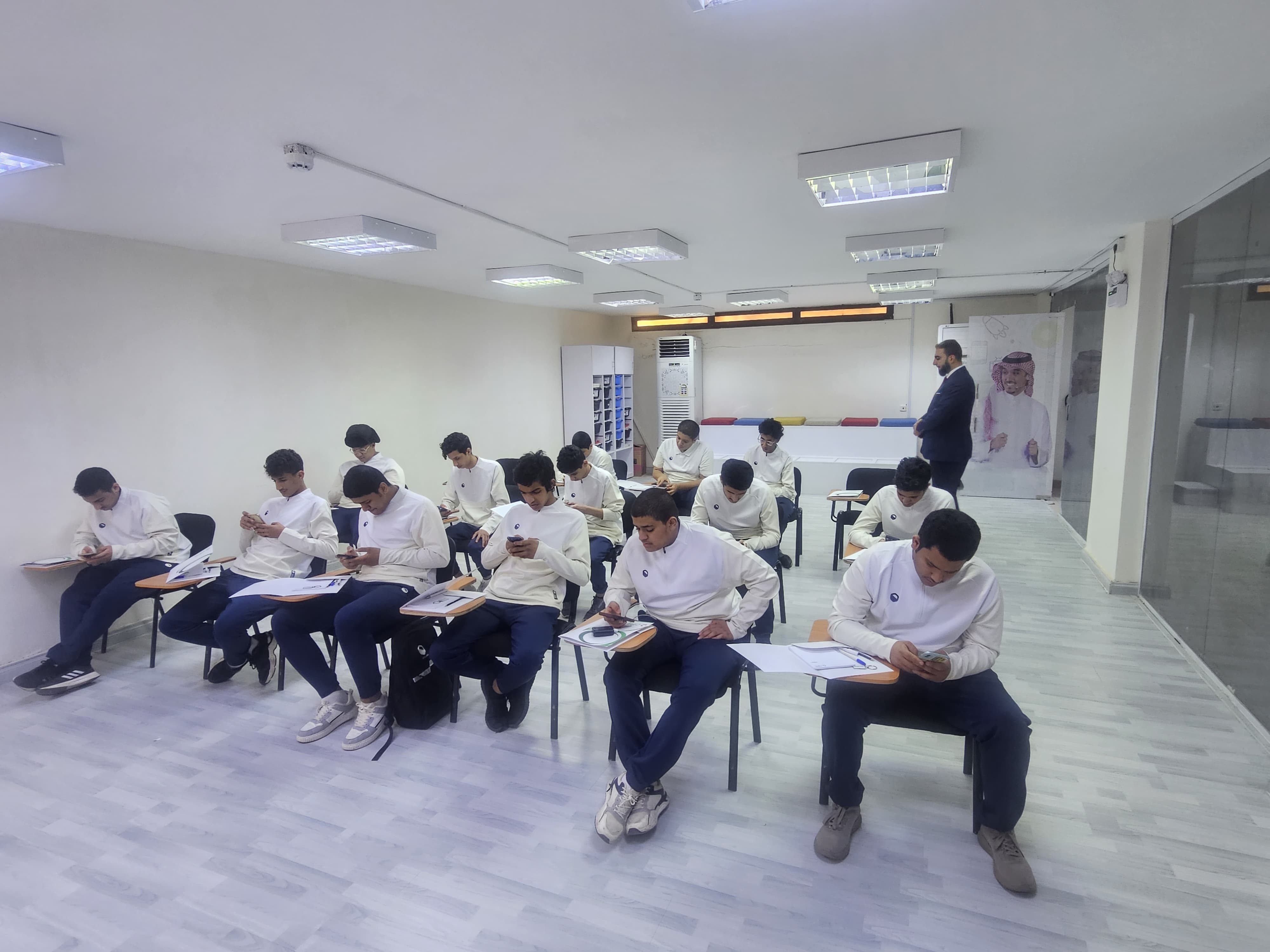
The cooperation also involves developing and implementing training programs according to modern methodologies based on labor market needs, with a focus on applied skills and specialized knowledge that bolsters professional readiness. These programs are designed to integrate theoretical aspects with practical training, ensuring real value that is reflected in the participants' job performance.
The scope of work extends to issuing professional certifications and fellowships according to clear standards that guarantee content quality and assessment accuracy. This provides beneficiaries with clearer career paths and greater opportunities for vocational advancement. This initiative comes in the context of supporting the continuous development of national competencies and enhancing their ability to keep pace with rapid changes in the business environment.
This partnership reflects a trend toward integrating the roles of academic institutions and specialized training management entities. The University of Bisha contributes its educational environment and academic expertise, while Be Training utilizes its operational experience and management methodologies to ensure performance efficiency and quality results.
Through this collaborative model, both parties strive to establish a more flexible and effective training system that supports the building of qualified competencies possessing the skills and knowledge necessary to compete and contribute effectively across various sectors, in line with long-term national development and capacity-building goals.